- 274 million people worldwide need emergency assistance and protection.
- $41 billion to provide relief and protection services to approximately 183 million people.
The charity and local and international organizations discuss the dimensions of the changing humanitarian landscape.
Famine remains a terrifying specter for 45 million people in 43 countries, and poverty rates are on the rise.
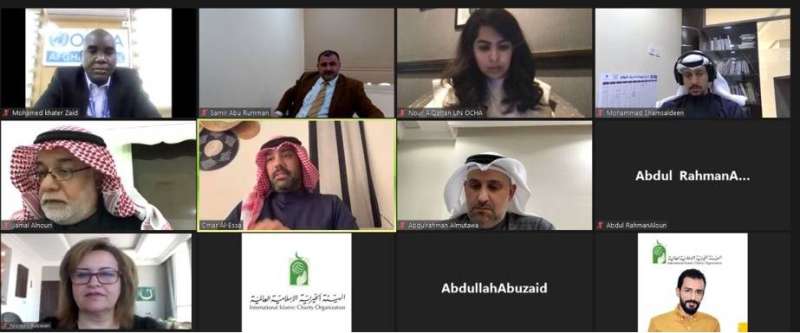
The charity organized a virtual workshop via Zoom on the "2022 Humanitarian Overview" report, in cooperation with the United Nations Office for the Coordination of Humanitarian Affairs, with the participation of the Kuwait Relief Society, the Kuwait Red Crescent Society, the United Nations High Commissioner for Refugees, the World Food Programme, and the International Organization for Migration.
The workshop reviewed the 2022 Global Humanitarian Overview report, published in December 2021, which noted that 274 million people worldwide are in need of emergency assistance and protection, a 17% increase compared to when the Global Humanitarian Overview was launched a year earlier. The 2022 Global Humanitarian Overview estimates that US$41 billion is needed to provide relief and protection services to approximately 183 million people in dire need of assistance and covered by response plans.
The report indicated that more than 1% of the world's population is displaced, rates of extreme poverty are increasing, women and girls suffer most from crises, gender inequalities and protection risks are increasing, and famine remains a terrifying specter for 45 million people in 43 countries.
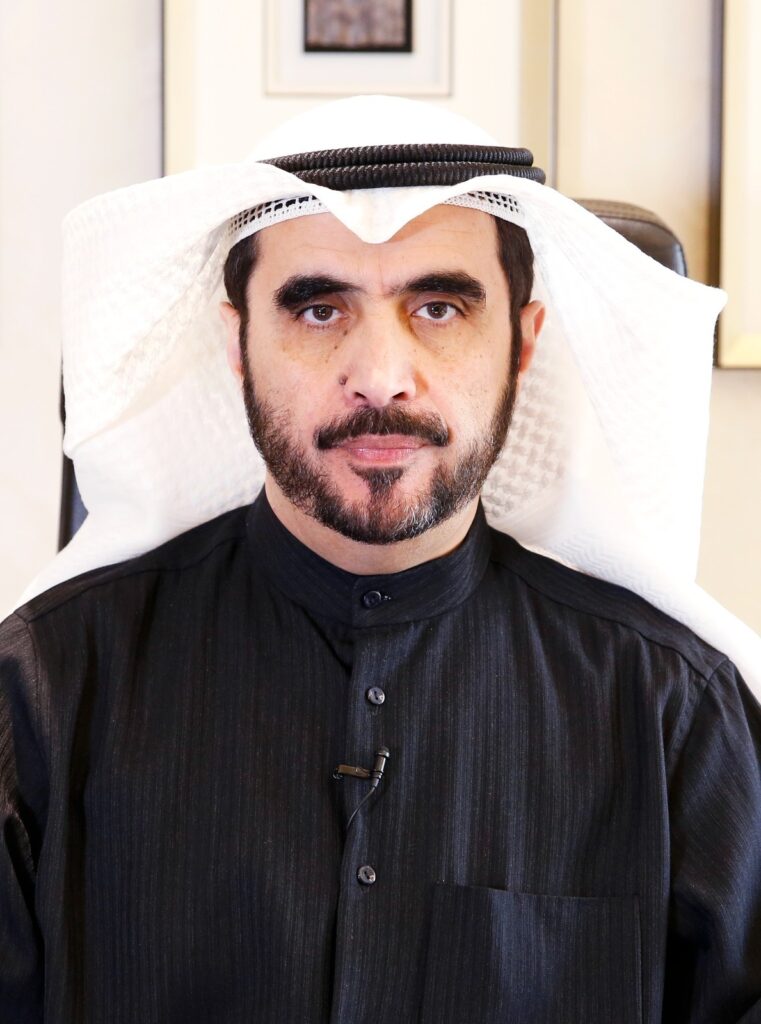
In a speech delivered on his behalf by Deputy Director General Abdulrahman Al-Mutawa, Director General of the Charitable Organization Bader Al-Sumait expressed his hope that “this workshop will contribute to maximizing the benefit of reading the 2022 Humanitarian Overview report, from the perspective of local and international humanitarian organizations.” In a way that serves its work and strategic plans, and expands the scope of its influence, using a scientific approach and a future-oriented vision, based on the humanitarian reality and analysis of global humanitarian requirements presented in the report.”
He also expressed his hope that "the workshop will contribute to expanding the scope of Kuwaiti humanitarian work and exploring new methodologies and approaches for developing response plans and humanitarian aid." He described the report as qualitative and important, emphasizing the importance of the workshop and its fruitful and constructive objectives, with the participation of a select group of humanitarian actors.
من جهته، قال مدير مكتب الأمم المتحدة لتنسيق الشؤون الإنسانية في منطقة الشرق الأوسط وشمال أفريقيا محمد زيد خاطر إن سنوات الصراع تسببت في تداعيات إنسانية معيقة في منطقة الشرق الأوسط وشمال أفريقيا، وإن قدرة الأشخاص المعرضين للخطر على التكيف وتلبية احتياجاتهم الأساسية تعوقها تأثيرات «كوفيد-19» في الشرق الأوسط وشمال أفريقيا، وإن خمس دول (سورية، واليمن، والعراق، وليبيا، والأراضي الفلسطينية المحتلة) شهدت زيادة الاحتياجات الإنسانية خلال السنوات الماضية، فيما تسببت أزمة لبنان خلال العام الماضي في الارتفاع الكبير للاحتياجات الإنسانية، وتأثرت بها بشدة الفئات الأكثر ضعفًا من الأطفال، وكبار السن والمهاجرين واللاجئين.
The workshop, "Humanitarian Overview," addressed the changing humanitarian landscape and how humanitarian response and its impact will look in 2022 and beyond. Speakers discussed lessons learned from 2021 and how they can be used to influence thinking and strategy development in the field of humanitarian action.
The workshop was addressed by Jamal Al-Nouri, Chairman of the Board of Directors of Sheikh Abdullah Al-Nouri Charitable Society and Head of the Relief Committee of the Kuwait Relief Society, Dr. Sarah Yahya Abdul Mohsen, a researcher at the charity, and Nisreen Rabian, Director of the Office of the United Nations High Commissioner for Refugees in the State of Kuwait. The Director of the Office of the United Nations High Commissioner for Refugees (UNHCR) in Kuwait, Nisreen Rabian; the Director of Disaster Management at the Kuwait Red Crescent Society (KRCS), Yousef Al-Maraj; the Director of Legal Affairs, Volunteer Work, and Youth at the same society, Dr. Musaed Al-Anzi; and the Professor of Philanthropic Studies at Indiana University and Director of the Islamic Philanthropy Initiative, Dr. Shariq Siddiqui.
المصدر : صحبفة الراي